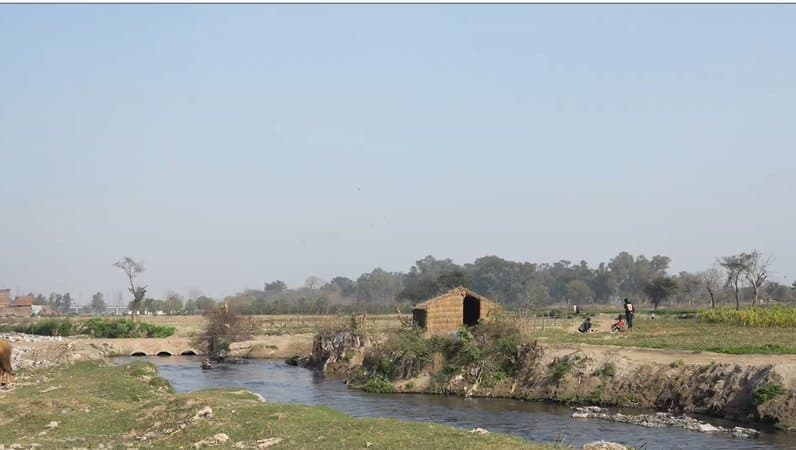
Global South Agricultural Transformation
Global South Agricultural Transformation
Lukas Müller
Agronomist & Data Lead
Across the Global South, a quiet agricultural revolution is underway—one driven not by choice but by necessity. As thermal zones shift poleward at an estimated rate of 6.1 kilometers per year, the crop varieties that have sustained communities for generations are failing.
In the terraced highlands of East Africa, coffee farmers are abandoning elevations they have cultivated for centuries. In the rice paddies of Southeast Asia, traditional varieties are succumbing to heat stress during flowering. In the wheat belts of South Asia, shortened winters are compressing growing seasons beyond the tolerance of heritage cultivars.
The shift to heat-resilient hybrids presents a profound cultural and ecological tension. Heirloom varieties carry not just genetic diversity but cultural memory—each seed a repository of generations of selective breeding adapted to hyper-local conditions.
"When you lose a seed, you lose a language. Each variety speaks the dialect of its particular soil."
The data from our 12,450 soil sample collection points paints a complex picture. While hybrid varieties show 40-60% better heat tolerance, they require significantly more water and synthetic inputs—resources increasingly scarce in the regions most affected by thermal shift.
Our agronomists are building predictive models that overlay thermal shift projections with soil chemistry data, groundwater availability, and traditional knowledge systems. The goal is not to replace indigenous agriculture but to identify pathways that honor both scientific reality and cultural heritage.
Field reports like this one are only possible through sustained research partnerships and community trust. Support the next wave of climate documentation from the Global South.